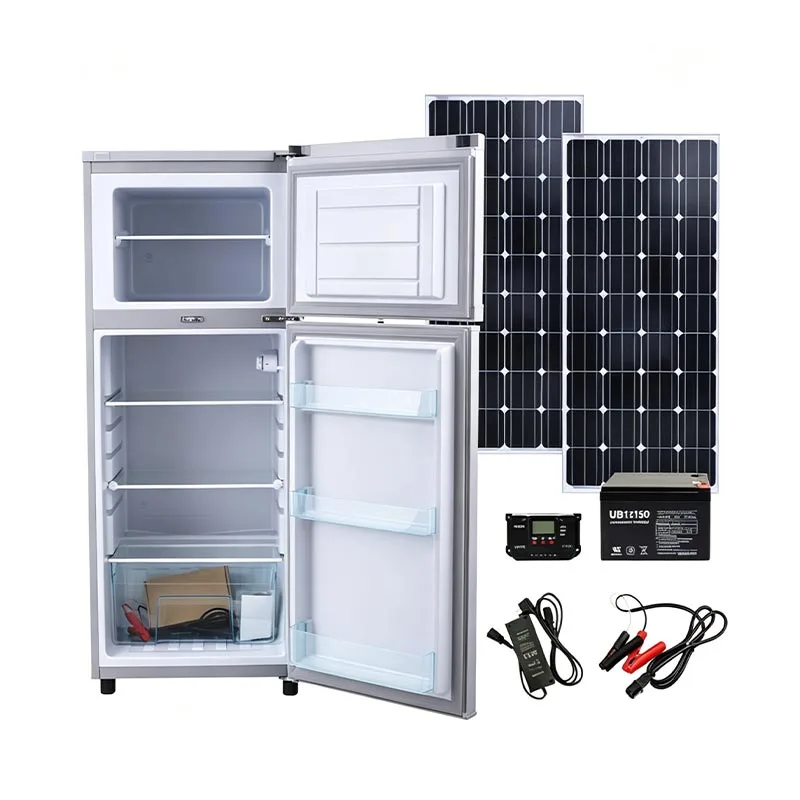
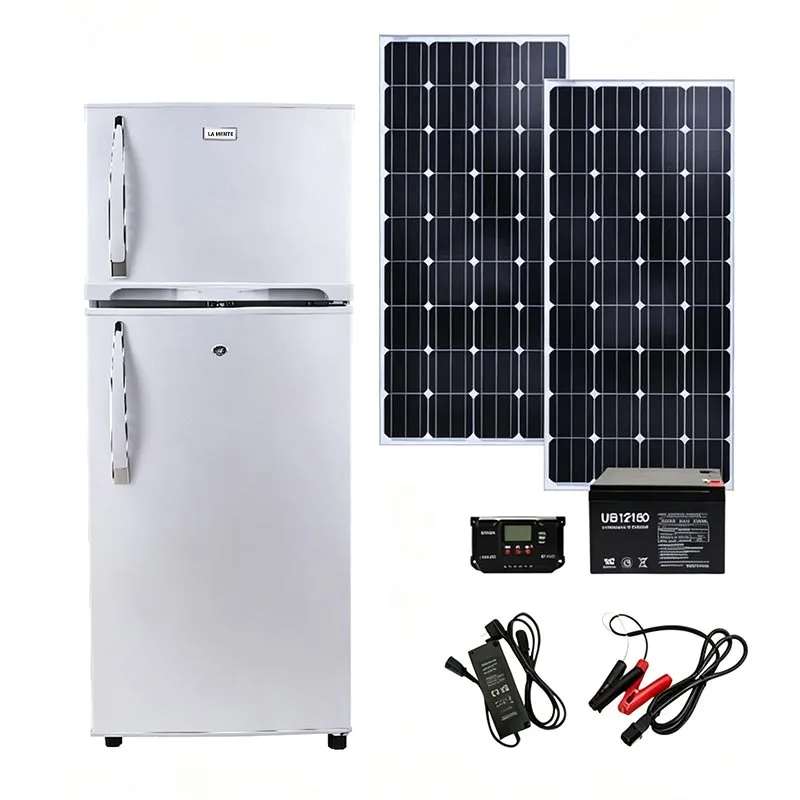
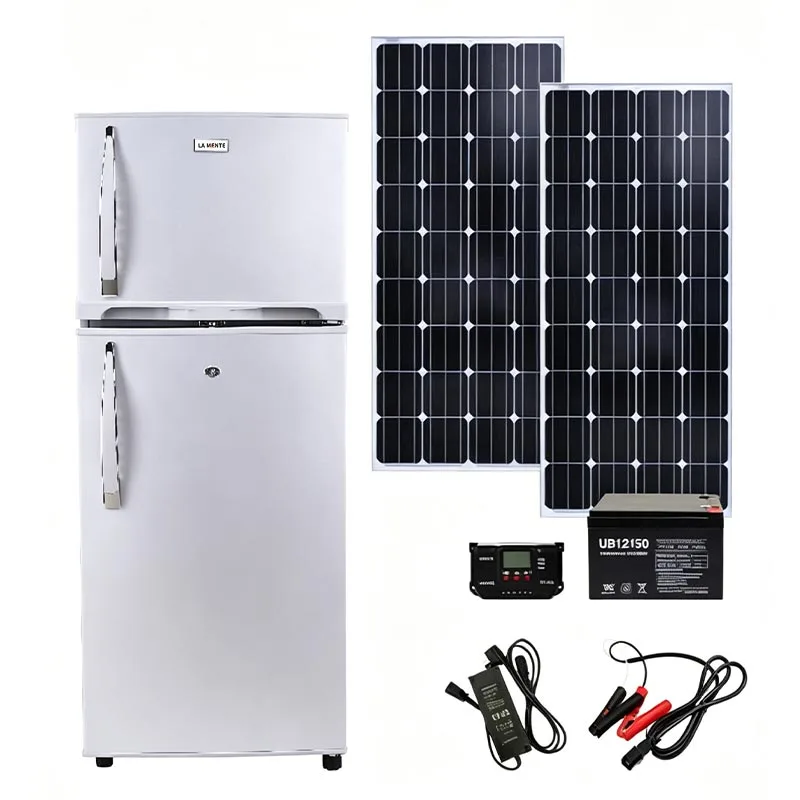
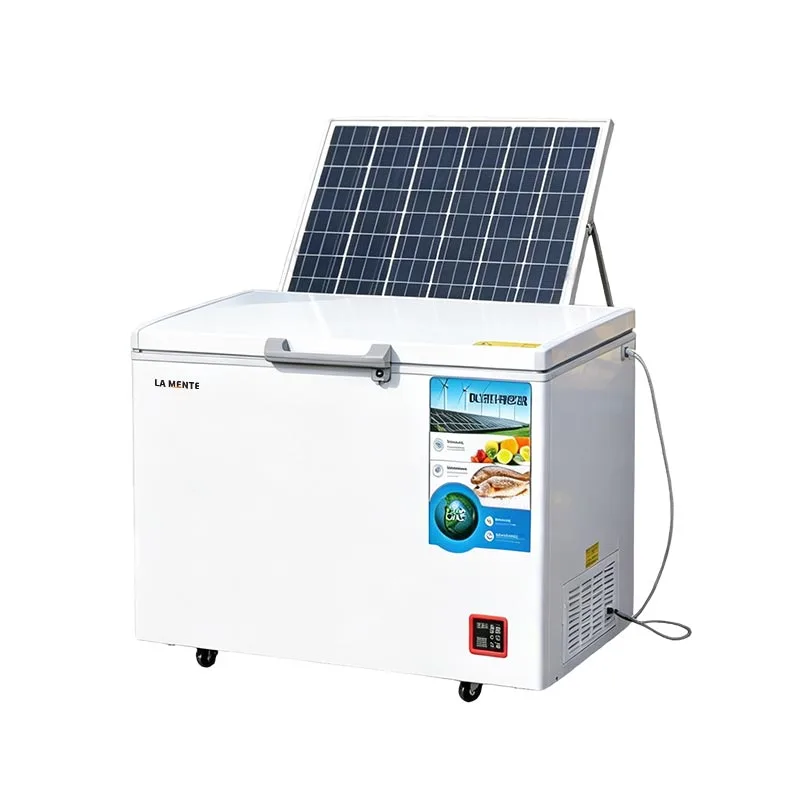
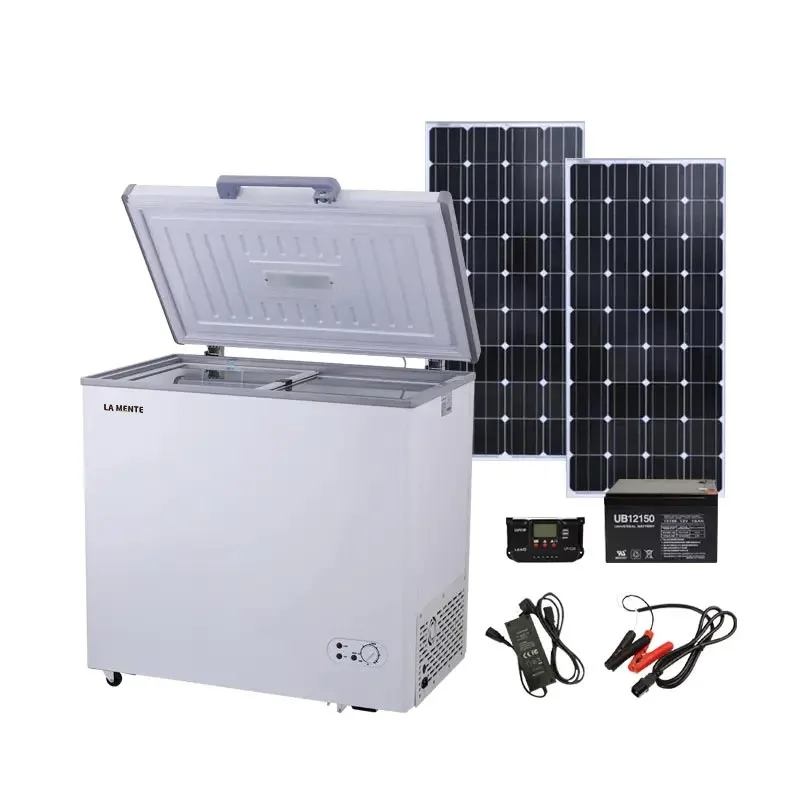
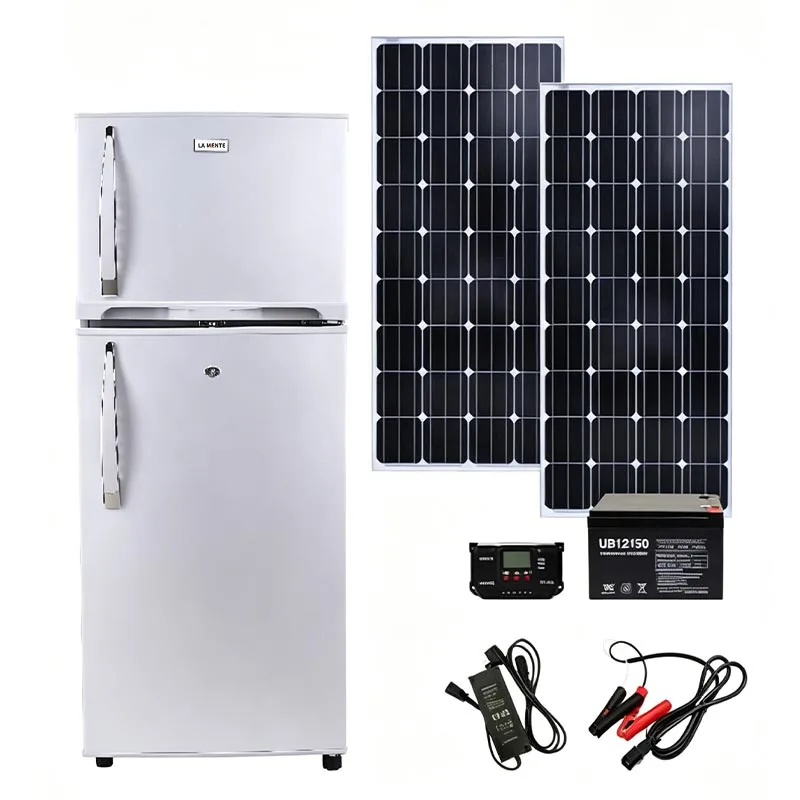
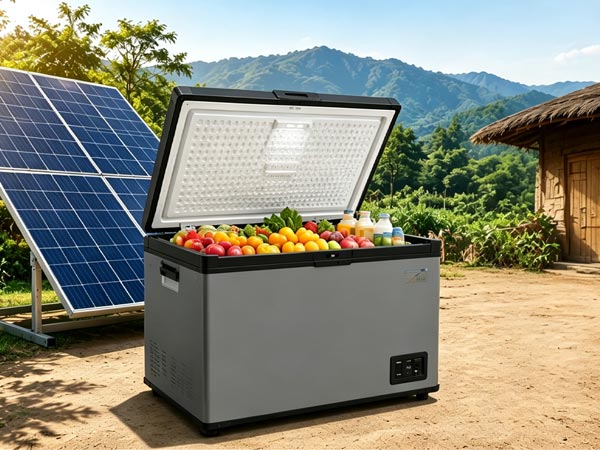
In market towns where grid electricity is unreliable or absent, a solar-powered refrigerator is proving to be a practical alternative to fuel-dependent cooling. The unit, about the height of a standard kitchen cabinet, draws power from two photovoltaic panels mounted on the southern side of the roof. A built-in battery management system stores excess energy generated during peak sunshine, allowing the compressor to run through cloudy afternoons and well into the night. The fridge maintains a steady range between 2 and 8 degrees Celsius, adjustable via a rotary dial on the front panel.
Market vendors who once lost leafy vegetables and dairy products within hours now keep them fresh for up to four days. Tomatoes, peppers, and herbs retain their color and firmness without the wilting caused by fluctuating kerosene fridge temperatures. One fruit seller reported that her daily spoilage dropped from nearly 30 percent to less than 5 percent, allowing her to buy larger quantities at wholesale prices. Restaurants in nearby towns have begun sourcing chilled meat and eggs from these markets, reducing their own reliance on diesel generators.
The fridge uses a variable-speed compressor that runs more slowly when the interior is already cold, cutting energy consumption by about 40 percent compared with fixed-speed models. The cooling gas is a hydrocarbon blend with low global warming potential. Maintenance involves wiping the panel surface weekly and ensuring the ventilation grille at the back is clear of dust. No grid hookup, no fuel delivery, no noisy engine—only silent, sun-driven operation.
Over the past eighteen months, roughly 150 units have been installed in open-air markets and roadside stalls across semi-arid regions. Local savings on kerosene alone cover the monthly installment payments for most buyers. Families running small grocery shops use the fridge to sell chilled drinks and yogurt, attracting more customers during midday heat. A community health worker noted that vaccines and insulin vials now stay within safe temperature limits even during weekly power cuts. With replacement parts available through regional hardware networks and a design life exceeding seven years, the solar fridge is gradually becoming a standard fixture in places where the grid has yet to arrive.
We use cookies to offer you a better browsing experience, analyze site traffic and personalize content. By using this site, you agree to our use of cookies. Privacy Policy