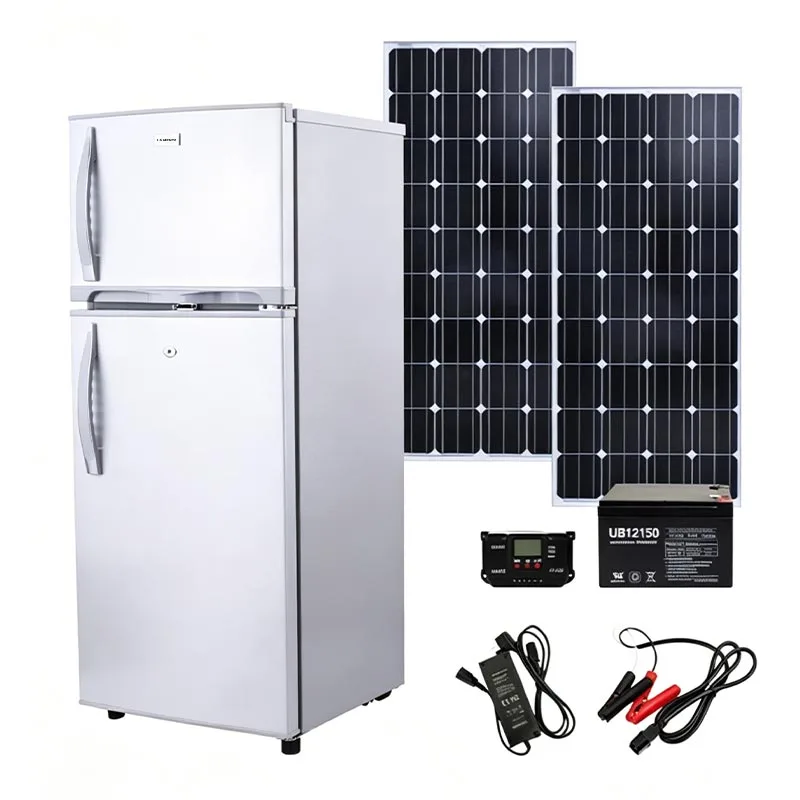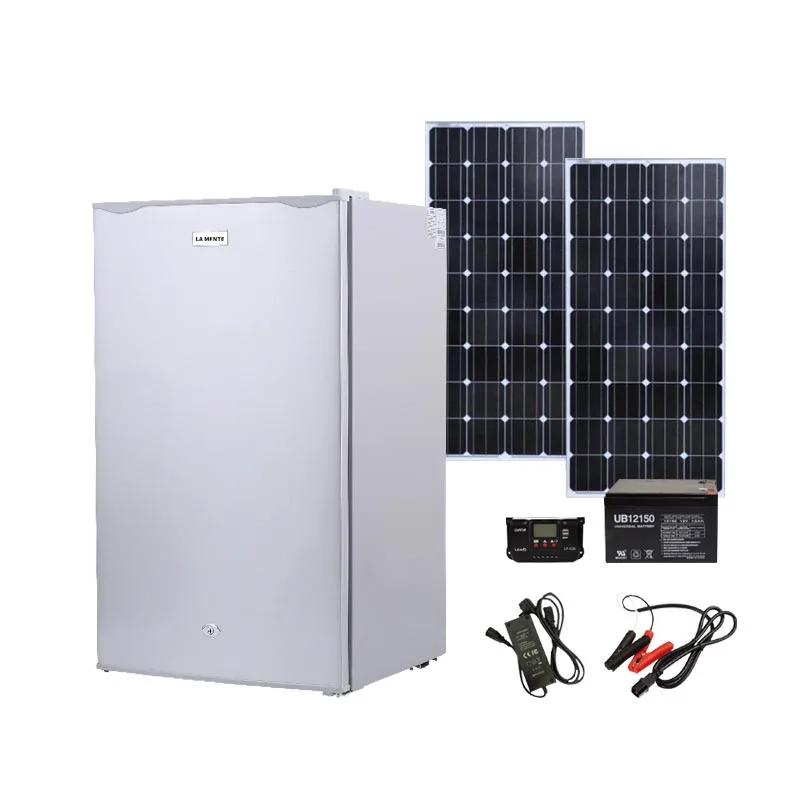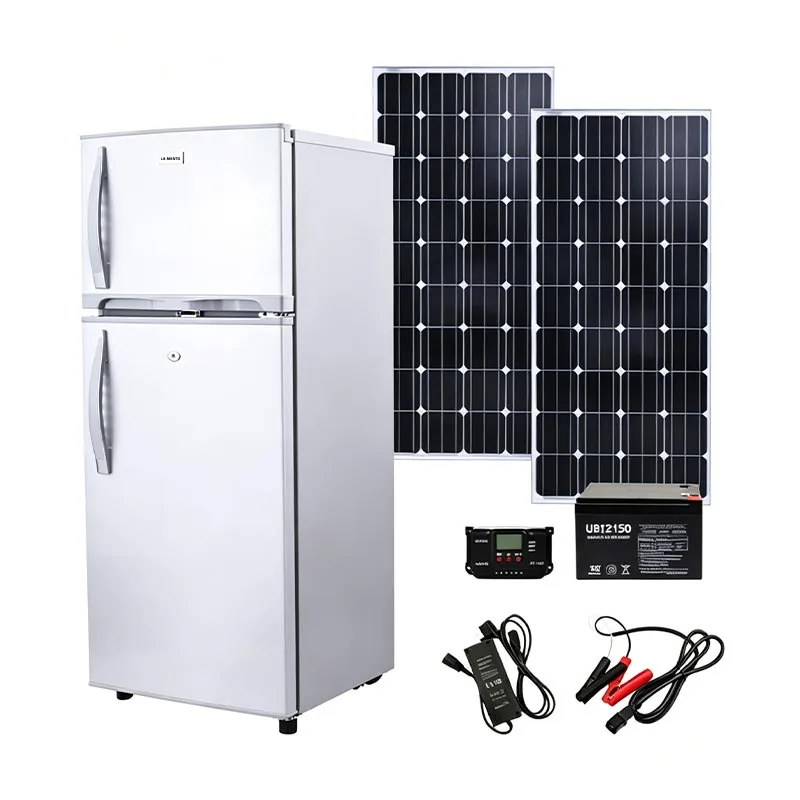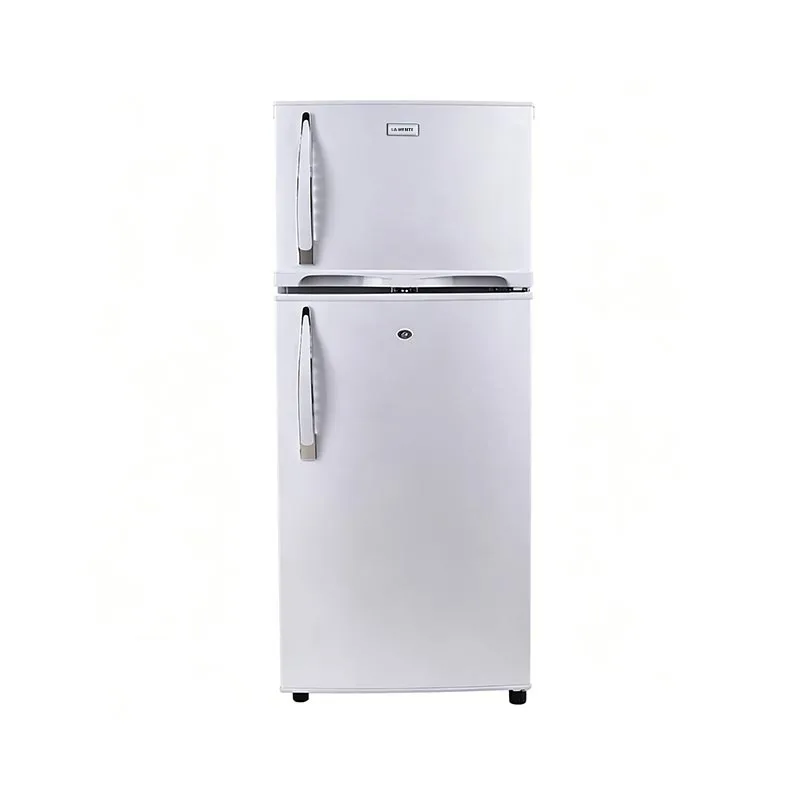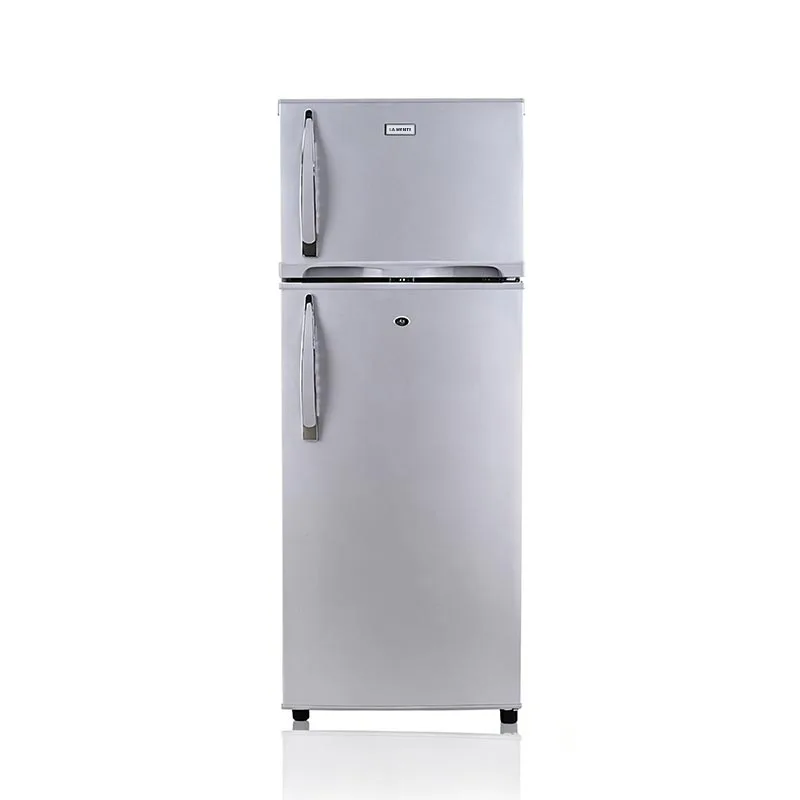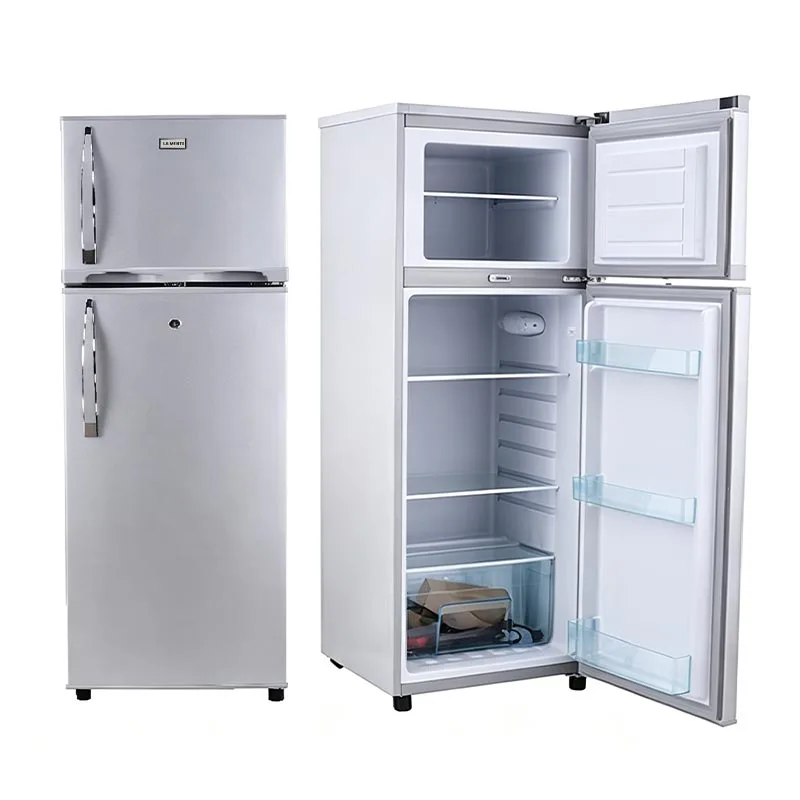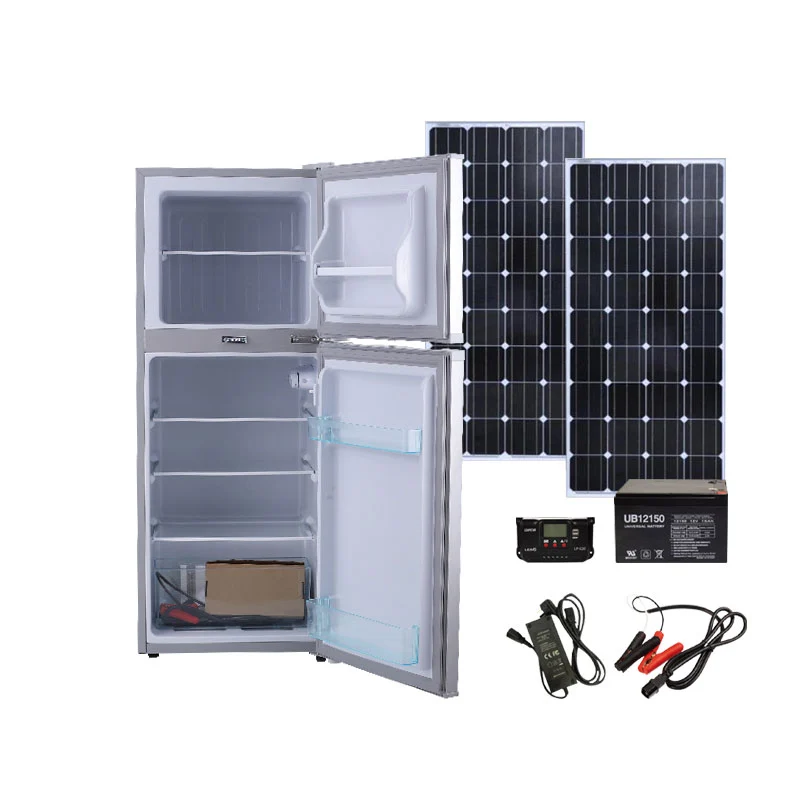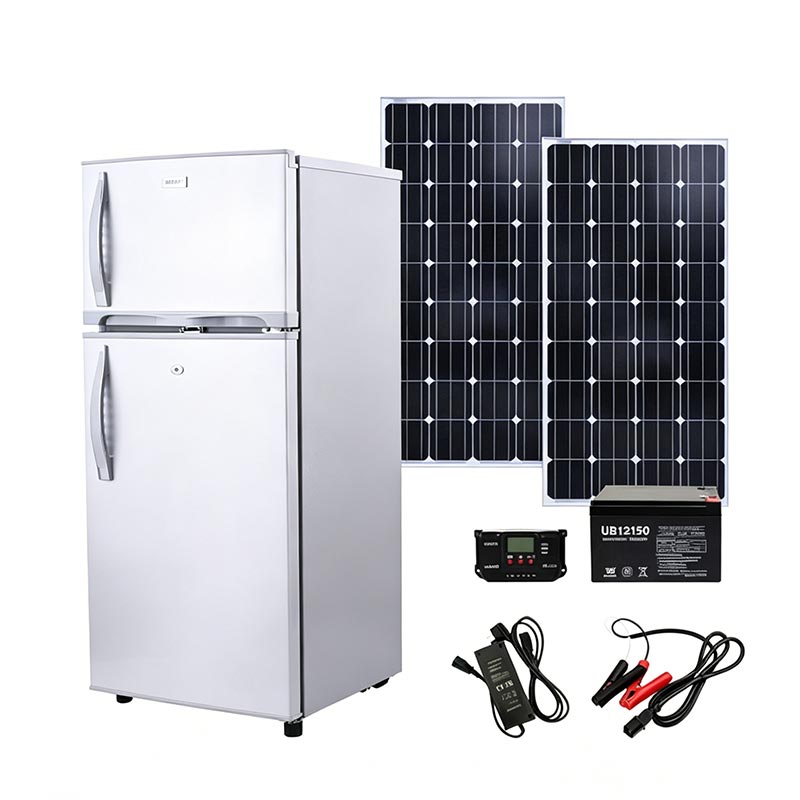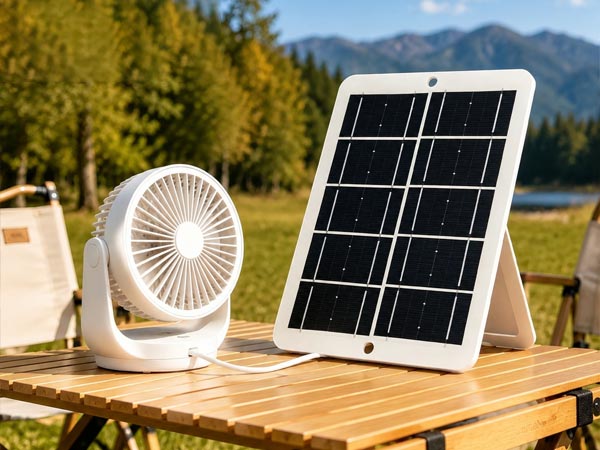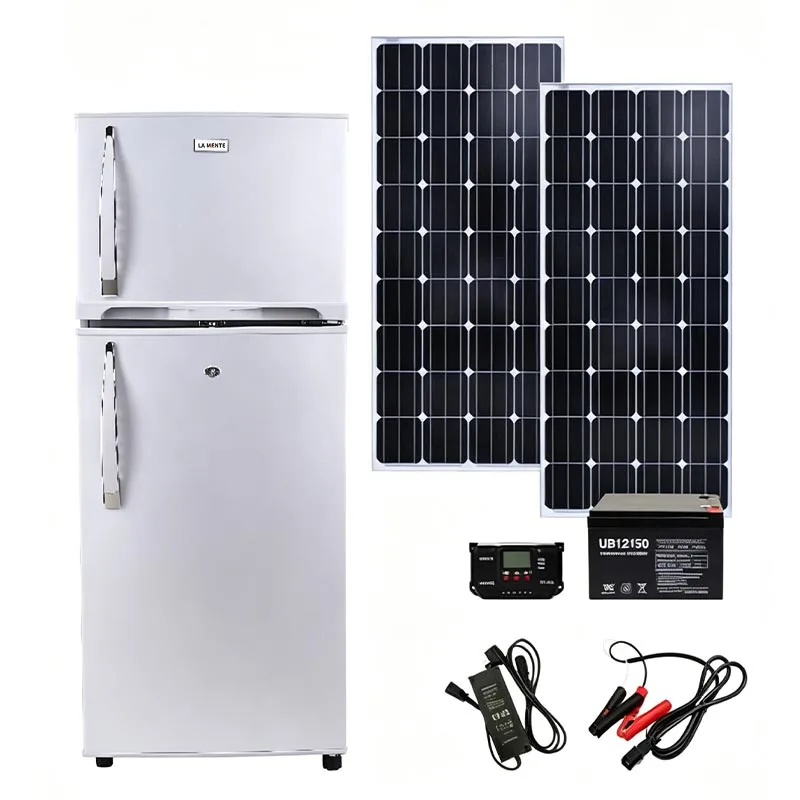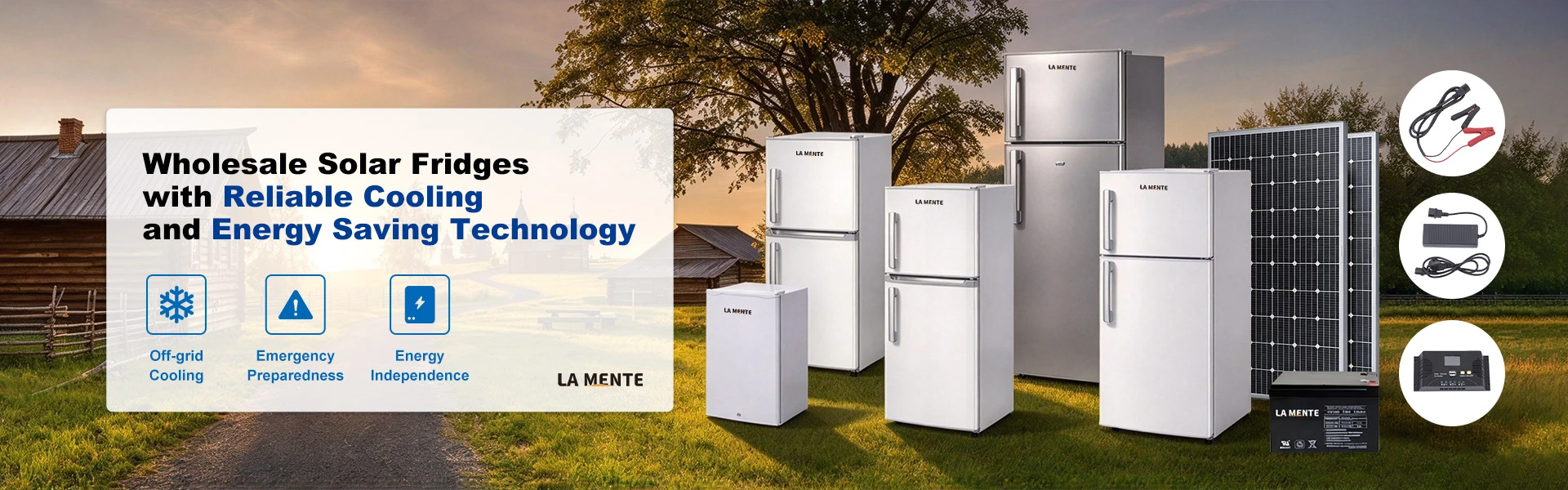
Solar Fridge technology has fundamentally changed the way people approach off-grid cooling, emergency preparedness, and energy independence. The FOSSIL brand has designed a line of direct-current refrigerators that work seamlessly with photovoltaic panels and deep-cycle battery banks, making reliable refrigeration available in places where grid power is unreliable, expensive, or completely absent. Unlike conventional AC refrigerators that lose efficiency through inverter conversion, a FOSSIL solar fridge runs natively on 12V or 24V DC power, which reduces electrical losses and allows the system to operate with smaller solar arrays and battery banks.
FOSSIL builds its solar refrigerators around the principle that cooling should be simple, durable, and energy-frugal. The compressor, insulation, and control electronics are all optimized for solar charging profiles and fluctuating battery voltages. This design philosophy translates into lower daily energy consumption, longer food preservation, and a longer service life in demanding environments. For anyone planning an off-grid cabin, retrofitting a van or RV, operating a remote medical clinic, or simply preparing for prolonged power outages, a FOSSIL solar fridge offers a practical and measurable upgrade over modified residential units.
Our Solar Fridge series includes products such as Solar System Powered Refrigerator, Off-Grid Solar Refrigerator, and others.
Most residential refrigerators are designed to run on stable 120V or 230V alternating current. When connected to an off-grid system, these appliances require an inverter that draws standby power and introduces conversion losses. A FOSSIL solar fridge eliminates that inverter entirely. The compressor is a variable-speed DC unit that adjusts its output based on cooling demand and available battery voltage. This not only improves energy efficiency but also reduces stress on the solar charge controller and battery management system.
Another distinguishing factor is the insulation. FOSSIL uses high-density polyurethane foam with a thickness that exceeds typical residential units. Thicker insulation slows thermal transfer, meaning the compressor cycles on less often. Fewer cycles translate into lower daily amp-hour draw, which is the single most important metric for off-grid solar users. The cabinet is also sealed against dust and moisture, which is critical in outdoor, mobile, and tropical environments.
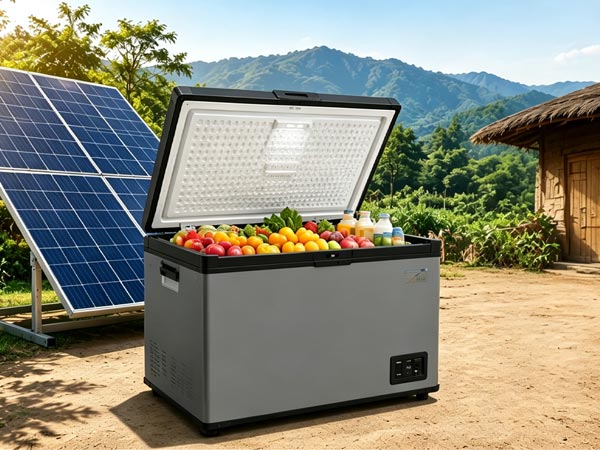
FOSSIL solar fridges are built with a top-loading chest configuration or a front-loading upright configuration depending on the model. Chest-style units are generally more energy efficient because cold air stays inside when the lid is opened. Upright units offer more convenient access and are preferred in kitchens or clinics where users need to see and retrieve items quickly. Both configurations share the same core compressor technology and DC-native electrical architecture.