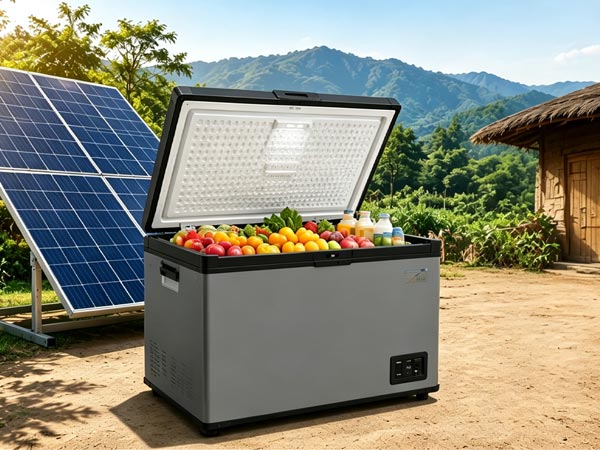
Reliable frozen storage is essential for food businesses, remote communities, agricultural operations, medical supply chains, and off-grid facilities. However, conventional refrigeration can become expensive or unreliable when grid electricity is unavailable, fuel supplies are inconsistent, or power interruptions threaten temperature-sensitive products. A solar freezer offers a practical way to use renewable energy for dependable cold storage when the system is correctly designed for its operating environment.
A solar freezer uses photovoltaic energy to support low-temperature storage while reducing dependence on conventional electricity. This guide explains how solar-powered freezing systems work, their main applications, the importance of battery storage and insulation, and the factors buyers should evaluate before purchasing. It also covers installation, maintenance, common selection mistakes, and practical steps for choosing a solution suited to local weather, storage capacity, and daily operating requirements.
1. Understanding Solar Freezer Technology
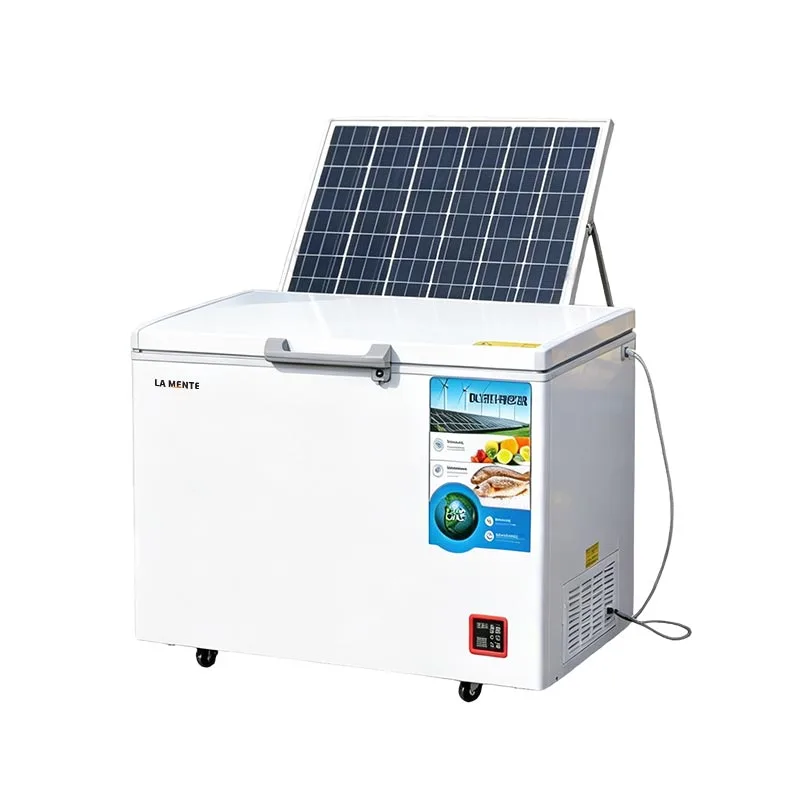
A solar freezer is a refrigeration appliance or integrated cooling system that uses solar-generated electricity to maintain temperatures below the freezing point. Depending on its design, it can operate with direct-current (DC) power, alternating-current (AC) power supplied through an inverter, or a hybrid arrangement that combines solar energy with grid electricity or another backup source.
Unlike a conventional freezer that relies entirely on the electrical grid, a solar-powered system can be configured for locations where electricity is expensive, unstable, or unavailable. This makes it particularly useful for remote facilities and businesses that need dependable frozen storage without continuous access to utility power.
How Does a Solar Freezer Work?
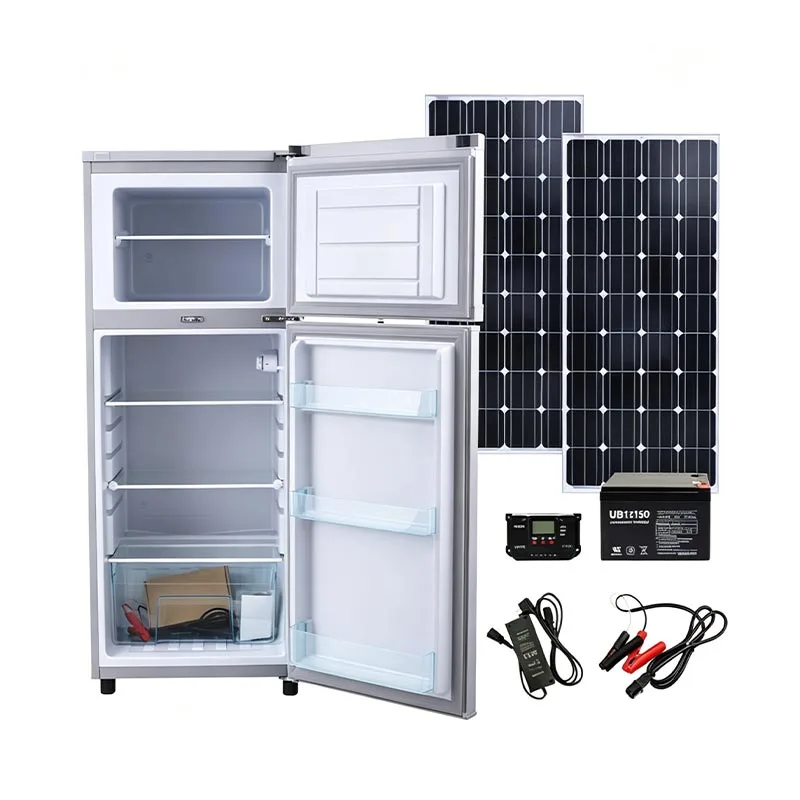
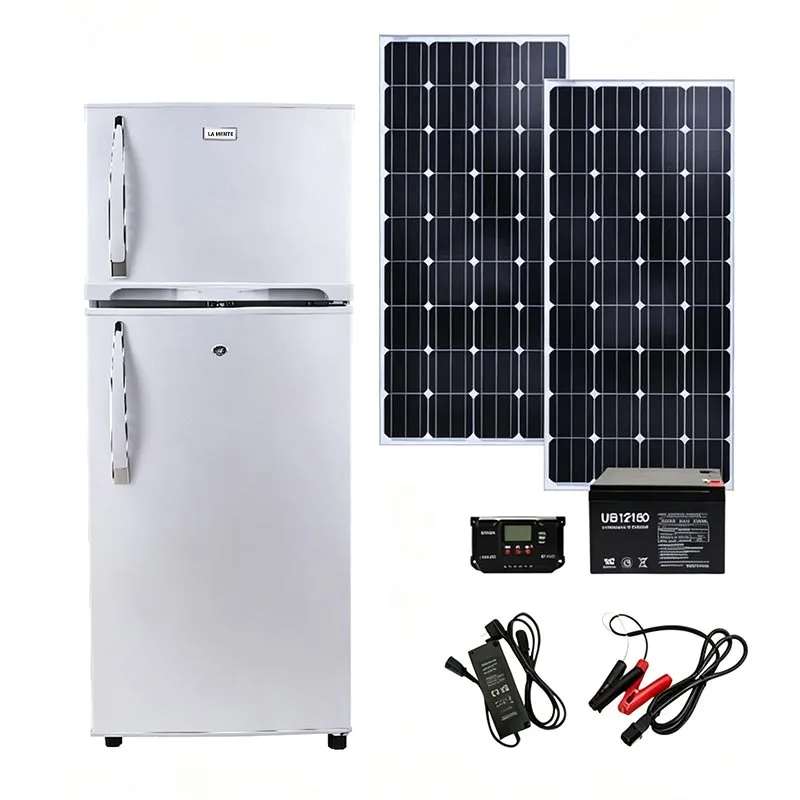
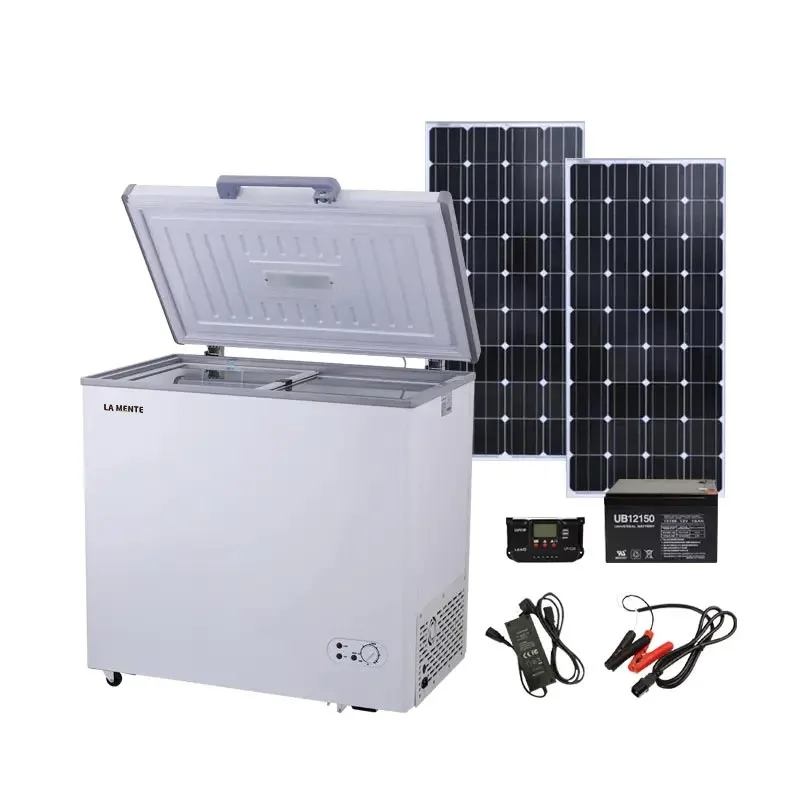
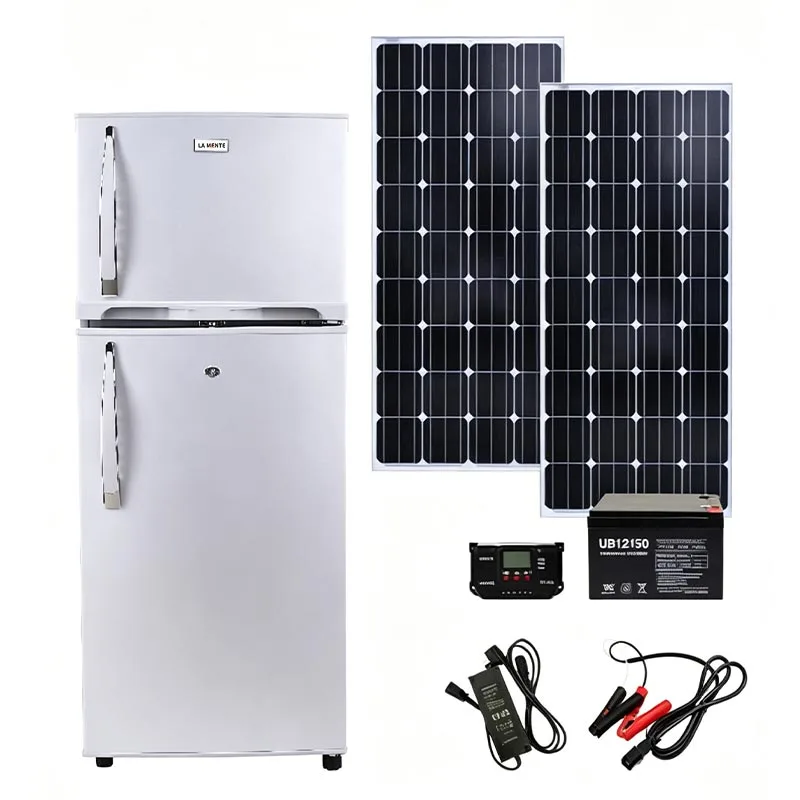
The basic operating process involves several connected components:
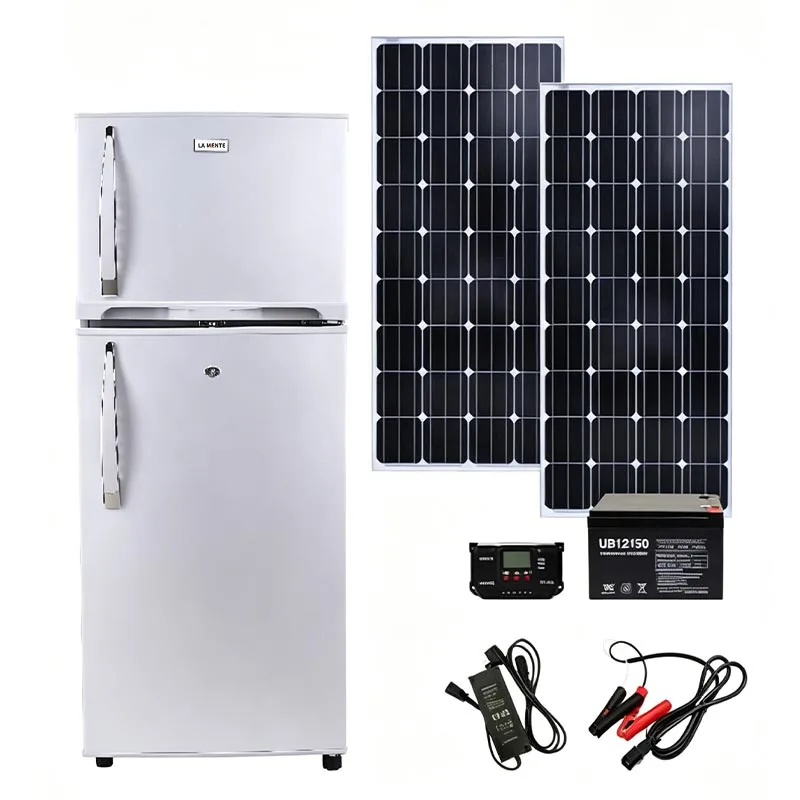
- Solar panels: Convert sunlight into electrical energy.
- Charge controller: Regulates charging and helps protect the battery from unsuitable charging conditions.
- Battery storage: Stores energy for nighttime operation and periods of reduced sunlight when the system includes batteries.
- Refrigeration unit: Uses a compressor, refrigerant circuit, evaporator, and condenser to remove heat from the storage compartment.
- Temperature controller: Monitors the internal temperature and regulates cooling according to the configured setpoint.
During sunny periods, the panels generate electricity for the refrigeration load and, where applicable, recharge the battery. At night or during cloudy weather, stored energy can keep the freezer operating. The actual runtime depends on the appliance's energy consumption, available battery capacity, solar generation, and ambient conditions.
2. Why Solar Freezers Matter
Reduce Dependence on Grid Electricity
For businesses operating far from reliable electrical infrastructure, extending utility lines may involve significant installation costs and delays. A solar freezer can provide an alternative when a suitable photovoltaic system can be installed at the site. It can also help facilities maintain essential cold storage during planned outages or grid interruptions, provided sufficient backup energy is available.
Manage Long-Term Operating Expenses
Solar energy can reduce the amount of electricity purchased from the grid or fuel consumed by a generator. Nevertheless, the total financial benefit depends on local electricity prices, solar resources, equipment efficiency, battery replacement costs, installation expenses, and system service life.
For an accurate purchasing decision, businesses should compare the complete system cost with expected annual energy savings rather than evaluating the freezer's purchase price alone.
Protect Temperature-Sensitive Products
Frozen food, seafood, meat, agricultural products, and certain commercial materials can lose value if storage temperatures rise beyond acceptable limits. A properly sized solar freezer with suitable insulation, temperature monitoring, and sufficient energy reserves can help reduce the risk of temperature excursions.
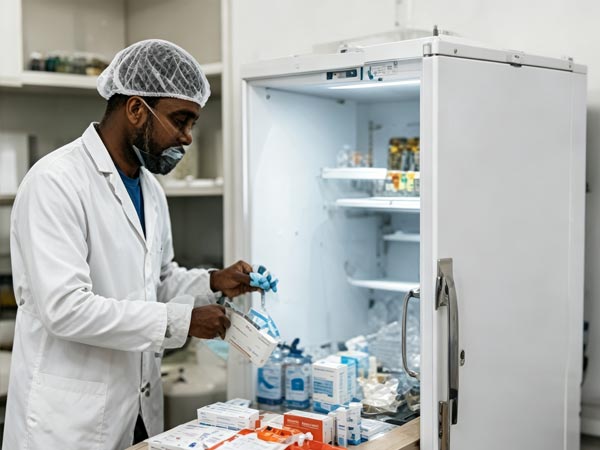
For vaccines, medicines, laboratory materials, or other regulated products, buyers must select equipment specifically validated for the required temperature range and follow applicable storage and monitoring standards. A general-purpose solar freezer should not automatically be assumed suitable for medical applications.
Support More Flexible Operations
Solar-powered refrigeration can be installed in rural shops, farms, fishing facilities, temporary work sites, and remote accommodation. With the correct configuration, it can support cold storage without requiring a conventional grid connection at every location.
3. Where Solar Freezers Deliver Value
Food Retail and Catering
Small grocery stores, restaurants, mobile food vendors, and catering operators can use solar-powered freezing to support ingredient storage and reduce exposure to local power interruptions.
Agriculture and Fisheries
Farms, fishing communities, and rural processing sites can preserve harvested products, meat, seafood, and other frozen goods when conventional electricity is limited.
Remote Facilities
Off-grid cabins, island facilities, research stations, and rural service points can gain access to cold storage without depending exclusively on utility infrastructure.
Mobile and Temporary Operations
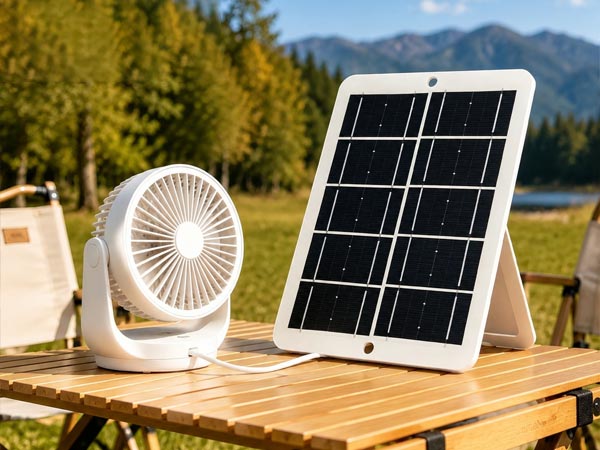
Suitable portable systems can support road trips, fieldwork, outdoor events, and temporary locations where access to mains power is restricted.
Not every application requires the same equipment. A portable freezer used for occasional travel has very different capacity, durability, and runtime requirements from a commercial unit storing large quantities of food every day. Defining the intended use before comparing models helps prevent unnecessary expenditure or inadequate performance.
4. Essential Components of a Solar Freezer System
High-Efficiency Refrigeration
The freezer itself is central to overall system performance. Compressor efficiency, insulation quality, gasket sealing, cabinet design, and temperature control all influence electricity consumption. A more efficient appliance generally requires a smaller solar array and less stored energy to achieve the same operating objective.
Solar Panels and Charge Controllers
Solar panel output varies with sunlight intensity, orientation, shading, temperature, and weather. The rated wattage printed on a panel represents performance under specified test conditions, not a guarantee of daily energy production. A suitable charge controller must match the panel arrangement and battery specifications.
Battery Storage and Power Conversion
Battery capacity determines how much energy can be stored for periods when solar generation is insufficient. Lithium iron phosphate (LiFePO4) and lead-acid batteries are two possible technologies, each with different costs, usable capacities, maintenance needs, and temperature limitations.
A DC freezer may operate directly from a compatible DC supply, avoiding inverter conversion losses. An AC freezer generally needs a suitable inverter when supplied from a DC battery. In either case, the power system must accommodate compressor startup requirements, operating voltage, protection devices, and manufacturer specifications.
| Component | Main Function | What Buyers Should Check |
|---|---|---|
| Solar panels | Generate electrical energy | Rated power, site sunlight, shading, mounting space |
| Battery | Store energy for later use | Usable capacity, chemistry, temperature limits, warranty |
| Charge controller | Manage battery charging | PV voltage range, current rating, battery compatibility |
| Inverter, if required | Convert DC electricity to AC | Continuous output, startup surge, waveform, efficiency |
| Freezer cabinet | Maintain low-temperature storage | Capacity, insulation, temperature range, daily consumption |
| Monitoring and protection | Track conditions and protect equipment | Temperature alarms, low-voltage protection, fault indication |
5. How to Choose the Right Solar Freezer
The best solar freezer is not necessarily the largest model or the one with the highest panel wattage. It is the configuration that reliably meets the storage requirement under the actual conditions of use.
Step 1: Determine Storage Capacity
Estimate the amount and type of material to be stored, expected delivery frequency, peak inventory, and required storage duration. Consider the usable internal volume rather than relying only on external dimensions. An oversized cabinet can increase energy demand and initial cost, while an undersized unit may disrupt daily operations.
Step 2: Confirm the Required Temperature
Different products require different storage conditions. Frozen food, ice cream, specialty ingredients, and temperature-sensitive commercial materials may have different temperature targets. Confirm the required operating range and temperature stability before selecting the appliance.
Step 3: Compare Daily Energy Consumption
Daily energy use, usually expressed in watt-hours (Wh) or kilowatt-hours (kWh), is more useful for system sizing than rated running power alone. Ask suppliers for consumption data under stated test conditions and determine whether the figures reflect freezer operation at your intended temperature.
Step 4: Choose DC, AC, or Hybrid Operation
| System Type | Potential Advantages | Points to Consider |
|---|---|---|
| DC solar freezer | Can avoid inverter conversion losses and suit battery-based installations | Check DC voltage compatibility and available service support |
| AC freezer with solar supply | Can use conventional AC appliances and existing inverter systems | Allow for inverter losses and compressor startup demand |
| Hybrid freezer system | May combine solar energy with grid or other backup power | Confirm switching logic, backup behavior, and installation complexity |
Step 5: Evaluate Reliability and Supplier Support
Review product documentation, warranty terms, spare-parts availability, service arrangements, and operating limits. For commercial projects, confirm packaging, shipping arrangements, installation requirements, and the availability of technical documentation before placing an order.
6. How to Estimate Solar and Battery Requirements
Correct sizing helps prevent the most common off-grid refrigeration problem: a freezer that works well on sunny days but loses its ability to maintain the target temperature after several cloudy days.
Estimate Daily Energy Consumption
Start with the freezer's measured or manufacturer-specified daily energy use. For example, assume a particular freezer consumes 800 Wh per day under its specified operating conditions. This is an illustrative value, not a rating for every solar freezer.
Estimate Solar Panel Capacity
A preliminary calculation is:
= Daily energy demand (Wh) ÷ [Peak sun hours × System efficiency]
If the assumed daily demand is 800 Wh, the site receives an average of 4 peak sun hours per day during the design period, and an estimated overall system efficiency of 75% is used, the calculation becomes:
800 ÷ (4 × 0.75) ≈ 267 W
This is a simplified starting estimate. Actual panel capacity should include appropriate reserve for seasonal sunlight variation, shading, charging losses, other electrical loads, and the required recovery time after cloudy weather. Design for the weakest relevant solar season rather than relying solely on annual averages.
Estimate Battery Capacity
A basic battery energy estimate is:
= Daily energy demand × Required autonomy days ÷ Usable depth-of-discharge fraction
For an 800 Wh daily load, two days of autonomy, and an assumed usable depth of discharge of 80%, the estimated nominal storage requirement is:
800 × 2 ÷ 0.8 = 2,000 Wh
This example does not account for every battery, inverter, temperature, aging, or wiring loss. The final design must also respect the battery manufacturer's discharge limits and the freezer's startup and operating requirements.
Consider Environmental Conditions
- Hot weather: High ambient temperatures can increase compressor workload.
- Winter operation: Shorter days and lower solar output can reduce charging opportunities.
- Cloud cover: Extended periods of low sunlight require sufficient reserve energy or a backup source.
- Frequent access: Repeated lid or door opening introduces warm air and increases cooling demand.
- Warm product loading: Newly loaded products may create a substantial temporary cooling load.
For critical storage, have a qualified system designer calculate the full energy balance and verify that the proposed configuration can maintain the required temperature throughout the expected range of weather conditions.
7. Installation and Operating Best Practices
Choose a Suitable Installation Location
Place the freezer on a stable, level surface in a dry, adequately ventilated area. Follow the manufacturer's clearance requirements around the condenser and other heat-dissipation components. Avoid placing the unit next to ovens, direct heat sources, or locations exposed to excessive moisture.
Solar panels should be positioned to receive appropriate sunlight with minimal shading. Mounting hardware must suit the roof or ground surface and local wind conditions, and outdoor electrical equipment should have suitable weather protection.
Protect Electrical Connections
Use correctly rated cables, fuses, circuit breakers, disconnects, grounding, and other protective devices as required by the system design and local electrical regulations. Cable sizing should account for current, circuit length, voltage drop, and installation conditions. A qualified installer should verify the final arrangement.
Load Products Correctly
Allow sufficient space for the circulation of cold air where required by the cabinet design. Avoid exceeding the rated storage capacity, and follow loading instructions for products entering the freezer at different temperatures. Use suitable packaging and keep the lid or door closed whenever possible.
Monitor Performance
Check internal temperatures, battery status, charging performance, and system alarms. For commercial or regulated storage, maintain records and use independent temperature monitoring when appropriate. An alarm or monitoring feature is valuable only when someone can respond to a fault in time.
8. Maintenance and Troubleshooting
Preventive maintenance helps preserve cooling performance and extends the useful life of refrigeration and solar equipment.
| Observed Problem | Possible Cause | Recommended Action |
|---|---|---|
| Freezer temperature rises | Low battery, inadequate cooling, poor sealing, excessive loading | Check alarms, power supply, seals, loading, and service requirements |
| Battery frequently runs low | Insufficient solar generation, increased energy use, battery degradation | Review daily consumption, panel output, shading, and battery health |
| Solar output is lower than expected | Dust, shading, unsuitable orientation, damaged wiring | Inspect panels and connections safely; arrange qualified testing |
| Compressor does not start | Low voltage, protective cutoff, inverter limitation, component fault | Check the manufacturer's fault indicators and contact a technician |
| Cooling performance declines | Blocked ventilation, dirty condenser, damaged gasket, refrigerant issue | Clean permitted surfaces and request professional service if needed |
Cleaning solar panels according to local dust conditions, inspecting cabinet seals, keeping ventilation paths clear, and checking electrical connections at appropriate intervals can help maintain performance. Battery inspections and servicing must follow the battery manufacturer's instructions.
Do not open refrigerant circuits or attempt live electrical repairs without the necessary qualifications. If temperature-sensitive goods are at risk, move them to an appropriate backup storage location and follow the relevant product-handling procedures while the fault is investigated.
9. Common Purchasing Mistakes to Avoid
Choosing Panels by Wattage Alone
A high panel rating does not guarantee sufficient daily energy. The actual design must account for site sunlight, seasonal variation, system losses, battery charging, and the freezer's real consumption.
Underestimating Battery Autonomy
A system designed only for overnight operation may not withstand several consecutive cloudy days. Determine the required autonomy based on product value, local weather, access to backup power, and the consequences of a temperature excursion.
Ignoring Compressor Startup Demand
Compressors can require more power during startup than during normal operation. Check the inverter's surge capability or the DC system's startup characteristics, as well as voltage drop and protective cutoffs.
Overlooking the Total Cost of Ownership
The initial purchase price is only one part of the investment. Consider installation, batteries, maintenance, shipping, warranty coverage, replacement parts, and expected energy savings over the intended service period.
Failing to Verify Product Claims
Request technical specifications and test conditions rather than relying exclusively on general descriptions. Confirm usable capacity, energy consumption, temperature range, environmental limits, and the exact contents of the supply package before confirming an order.
10. The Future of Solar-Powered Cold Storage
Advances in photovoltaic modules, battery management, compressor technology, thermal insulation, and remote monitoring are creating new opportunities for energy-conscious refrigeration. Improved monitoring can help operators identify unusual power consumption, temperature changes, and developing faults before they cause larger problems.
Thermal storage is another useful design consideration. Certain systems can take advantage of available solar energy to build additional cooling capacity during favorable conditions, helping reduce the immediate energy demand during periods of lower generation. Whether this approach is suitable depends on the freezer design, product requirements, and control strategy.
For commercial buyers, the priority remains practical performance rather than technology alone. A well-matched solar freezer system should deliver the necessary capacity, maintain the intended temperature, fit the available installation space, and provide an economically sensible solution for its operating environment.
NINGBO FOSSIL ENERGY TECHNOLOGY CO.,LTD. recognizes the importance of matching solar energy solutions to real-world application requirements. When evaluating solar-powered refrigeration equipment, buyers should establish their storage needs, site conditions, energy availability, and preferred system configuration before moving forward with product selection.
11. Frequently Asked Questions About Solar Freezers
1. Can a solar freezer operate at night?
Yes. A battery-based system can store solar energy during the day and use it to power the freezer at night. A system without batteries needs another suitable power source or a specifically designed alternative for maintaining cooling after sunlight disappears.
2. How many solar panels are needed for a solar freezer?
The number depends on the freezer's daily energy consumption, panel wattage, local peak sun hours, system losses, and seasonal conditions. Estimate daily energy demand first, then calculate the required array capacity and verify the result against the site's worst relevant solar conditions.
3. How long can a solar freezer run without sunlight?
Runtime depends primarily on usable battery energy and actual freezer consumption. Divide usable battery capacity in watt-hours by the freezer's daily energy consumption to obtain an approximate number of days. Real performance may be lower because of conversion losses, temperature, battery limitations, and changing loads.
4. Is a DC solar freezer more efficient than an AC model?
A DC model can avoid inverter conversion losses when connected to a compatible DC power system. However, overall efficiency also depends on compressor design, insulation, controls, battery performance, and operating conditions. Compare measured daily energy consumption rather than assuming that one power type is always superior.
5. Can a solar freezer work in cloudy weather?
Yes, but solar generation generally decreases when sunlight is limited. A correctly sized battery can provide reserve energy, while a hybrid system may use grid electricity or another backup source. System sizing should account for consecutive cloudy days where uninterrupted cooling is important.
6. Is a solar freezer suitable for commercial food storage?
It can be suitable when its capacity, temperature range, energy supply, and operating reliability meet the business's requirements. Food operators should also follow applicable food safety regulations, maintain appropriate temperature records, and establish a response plan for power or equipment failures.
7. What battery is suitable for a solar freezer?
LiFePO4 and lead-acid batteries are possible options, depending on the system design, budget, required cycle life, usable capacity, and environmental conditions. Confirm the battery's charging limits, discharge limits, protection features, and compatibility with the freezer and charge controller.
8. Does a solar freezer always include solar panels and batteries?
No. Some models are standalone refrigeration appliances designed to connect to a compatible solar installation, while others are offered with matched panels, batteries, and power electronics. Confirm the supply scope and compatibility of every component before purchasing.
9. What information should buyers provide when requesting a quotation?
Useful details include required storage capacity, target temperature, daily operating conditions, installation location, available sunlight, desired backup duration, preferred power configuration, quantity, and any special operating requirements. These details help suppliers evaluate a suitable system and prepare a more accurate proposal.
10. How can buyers reduce solar freezer operating costs?
Choose an efficient freezer, size the solar array and battery correctly, minimize unnecessary door openings, maintain proper ventilation, clean panels as needed, and monitor energy consumption. Compare the full lifecycle cost of each proposed system rather than focusing only on its initial price.
Make a More Informed Solar Freezer Investment
A solar freezer can provide dependable cold storage in locations where electricity access, energy costs, or power reliability create operational challenges. The key to success is a balanced system that combines efficient refrigeration, suitable solar generation, adequate battery storage, reliable temperature control, and an installation designed for local conditions.
Before choosing a model, evaluate the required capacity, target temperature, daily energy consumption, expected weather conditions, backup strategy, and long-term maintenance needs. Clear technical requirements make it easier to compare suppliers, avoid undersized equipment, and select a solution that supports your business over time.
Looking for a Solar Energy Solution for Your Business?
NINGBO FOSSIL ENERGY TECHNOLOGY CO.,LTD. welcomes inquiries from distributors, commercial buyers, project developers, and businesses exploring solar energy applications. Share your project requirements, intended application, installation environment, and preferred system configuration so the appropriate product options can be evaluated.
Whether you are planning an off-grid installation or assessing energy solutions for a commercial project, our team welcomes the opportunity to discuss your requirements and help you take the next step.
Ready to discuss your project? Please contact us to learn more about available solutions and request further product information.