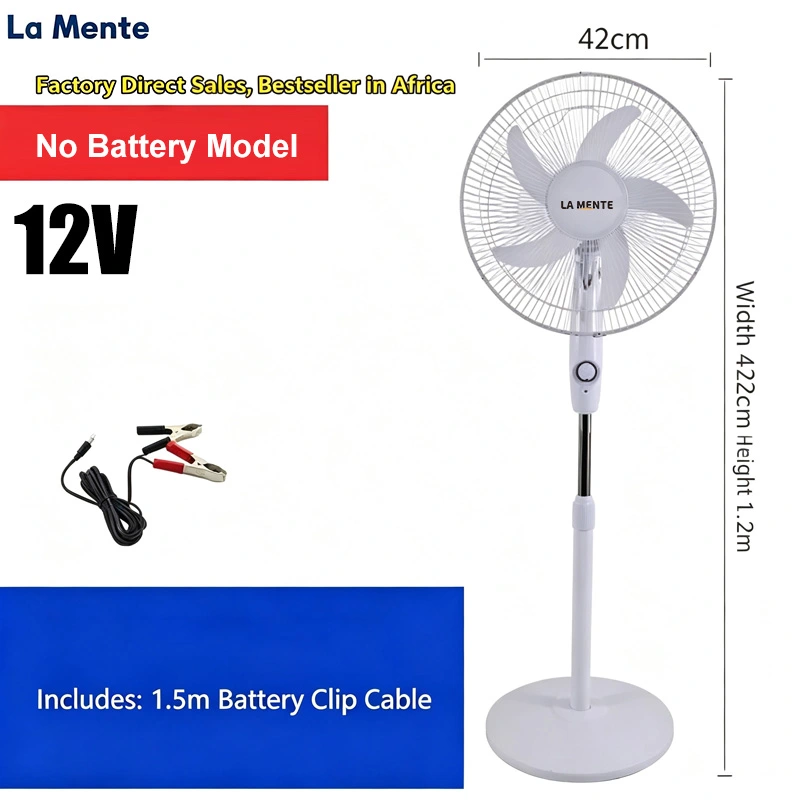
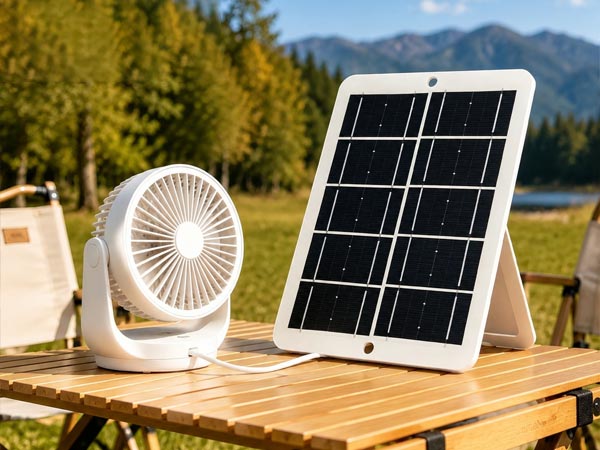
In tropical lowlands where temperatures regularly exceed 40 degrees Celsius and power lines are decades away, a solar-powered fan is offering a simple but transformative solution. The system consists of a 50-watt photovoltaic panel, a small charge controller, and a 12-volt direct-current fan available in both ceiling-mounted and floor-standing versions. During sunlight hours, the panel generates enough electricity to run the fan at full speed while simultaneously topping up a small backup battery. When clouds pass or night falls, the battery continues to spin the blades for another six to eight hours at reduced speed.
Schoolteachers in several rural districts report that afternoon attendance has improved since fans were installed in classrooms. Children who once fanned themselves with notebooks now sit attentively through math and reading lessons, with indoor temperatures dropping by five to seven degrees compared with outside. One principal noted that test scores in the hottest months have risen modestly, attributing the change to a more comfortable learning environment. At home, families use the floor-standing units to cool sleeping areas, allowing infants and elderly members to rest through the night without heat-related discomfort.
The Solar Fan operates on three speed settings, controlled by a simple push-button switch mounted on the base or wall. The brushless motor consumes only 18 watts at maximum speed, making it one of the most efficient cooling devices available for off-grid use. The panel tilts manually to follow seasonal sun angles, and the entire system can be disassembled and packed into a carrying bag for transport. No fuel, no extension cords, no voltage converters—just a silent whir and moving air.
Over the past two years, more than 800 units have been distributed through community health programs and education initiatives across dry zones. Small shopkeepers use them to keep customers comfortable during peak heat hours, boosting sales of cold drinks and fresh fruits. Market stalls that once closed by noon now stay open until evening. A grandmother in a coastal village said the fan allows her grandchildren to study after dinner instead of lying exhausted on bamboo mats. With replacement motors and panels available at local hardware stores and an expected service life of five to six years, the solar fan is quietly transforming daily life in some of the hottest places on earth.
We use cookies to offer you a better browsing experience, analyze site traffic and personalize content. By using this site, you agree to our use of cookies. Privacy Policy